Do you sell berries or mushrooms? Your income may be tax-free
Autumn is peak season for berry picking, mushroom foraging, and harvesting produce from the garden. If you are considering selling what you have picked or grown, there are a few rules worth knowing. In some cases, the income may be completely tax-free, but there are also regulations concerning business activities, food handling, and sales that you should take into account.
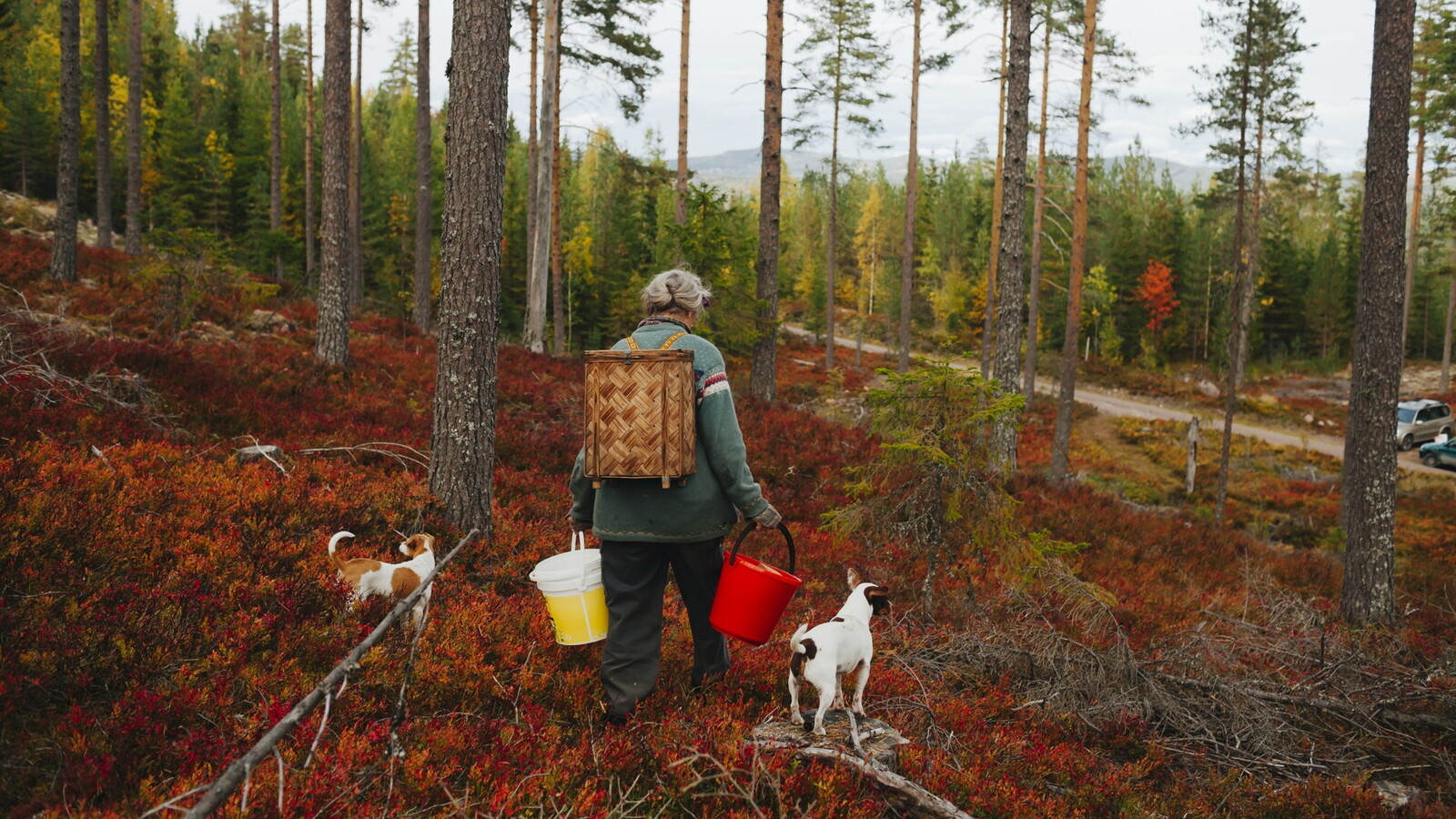
You can sell wild berries and mushrooms tax-free
If you sell wild berries or mushrooms that you have picked yourself, a special exemption from the normal tax rules applies. If your total income from such sales does not exceed SEK 12,500 during the year, you do not need to declare the income or pay tax on it.
However, the exemption does not apply if:
- the sale is made as part of a business activity
- you are paid to pick berries or mushrooms on behalf of someone else
- the produce is cultivated, such as strawberries
Hobby or business?
For cultivated or otherwise produced goods, the ordinary tax rules apply. In these cases, it is important to distinguish between a hobby activity and a business activity. Contrary to what many people believe, it is not the amount of money you earn that determines the classification, but rather the nature of the activity itself.
A hobby activity:
- is carried out in your spare time
- is conducted independently
- is not primarily intended to generate a profit
A business activity:
- is conducted professionally
- is carried out on a regular basis
- has the intention of making a profit
You may need to declare your income regardless of whether the activity is classified as a hobby or a business. If you operate a hobby activity, any surplus, meaning what remains after allowable expenses have been deducted, must be reported as hobby income in your personal income tax return. If you run a business, the rules applicable to your chosen business structure apply.
Note: If you own agricultural or forestry property and sell products from it, the activity is always regarded as a business activity.
More about the difference between a hobby and a business
Find out which rules apply
Before you start selling, it is also important to determine whether your activity requires a permit, registration, or notification to a government authority or your municipality.
For example, anyone producing and selling eggs, honey, or vegetables may need to register their activity. In some cases, exemptions may apply if sales are very limited and take place only occasionally.
Those who process their raw materials may also be subject to regulations. For example, if you make jam or marmalade for sale, the activity will usually need to be registered as a food business with the municipality before sales begin.
At verksamt.se, you can find services that help you identify the appropriate authority to contact with your questions.
Find permits, registrations, and notifications for your activity (in Swedish)
Selling at a market
Markets and harvest festivals are common ways to sell local products. If you are planning to organize your own event, you may need permits from both the municipality and the police and may be required to comply with specific regulations.
Verksamt.se provides a checklist to help you determine which permits and measures may be relevant.
Use the checklist for organizing events (in Swedish)
A REKO ring may be an alternative
Another way to sell locally produced goods is through a REKO ring.
In a REKO ring, customers place their orders in advance and then collect them at an agreed place and time. Since the purchase is completed before the goods are handed over, the sale is not subject to the same rules as a traditional market.
For many small-scale producers, a REKO ring can be a simple way to reach customers directly without intermediaries.
Information about REKO rings from the Swedish Tax Agency (in Swedish)